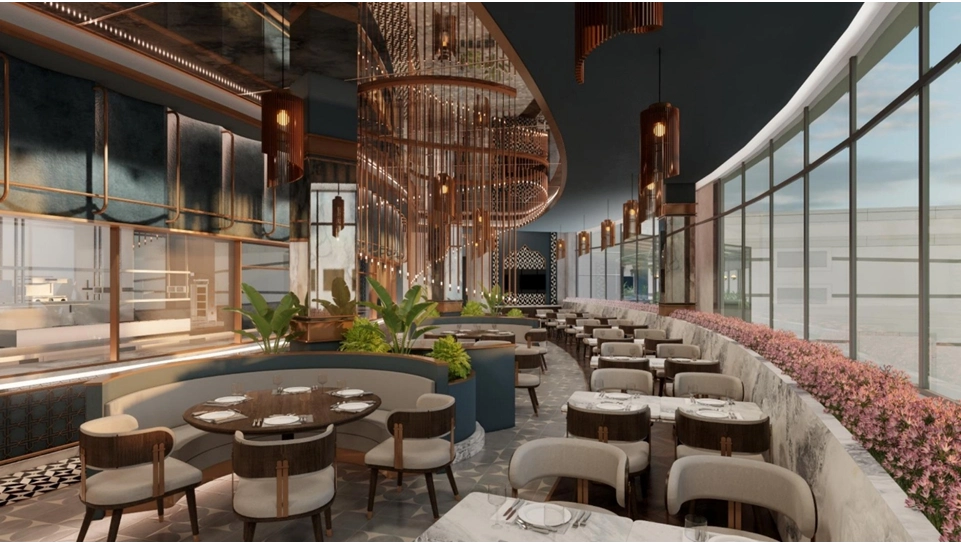
In the competitive restaurant industry, great food is only one part of the customer experience. Today’s diners choose restaurants based on atmosphere, comfort, visual appeal, and the overall experience a space creates. A thoughtfully designed restaurant can attract attention, encourage longer stays, increase spending, and build customer loyalty.
This is why restaurant owners increasingly view design as a business investment rather than just an aesthetic choice. While the USA has a strong restaurant design culture, global expertise in hospitality design continues to influence how brands create memorable dining destinations.
With expertise in commercial interior design Dubai, RAW Design brings a strategic approach to creating F&B spaces that combine storytelling, functionality, and customer experience.
Restaurant design directly impacts how customers interact with a space. From the moment guests enter, every design choice influences their perception of quality and value.
A successful restaurant interior considers customer psychology, operational efficiency, and brand positioning. Seating comfort, lighting, acoustics, and spatial planning all affect how long guests stay and how they experience the brand.
For businesses exploring hospitality interior design for USA markets, the focus is increasingly shifting toward creating spaces that support revenue goals. A well-designed environment encourages repeat visits, increases customer satisfaction, and creates stronger brand recognition. Design is no longer simply about making a restaurant look attractive — it is about creating a space that performs.
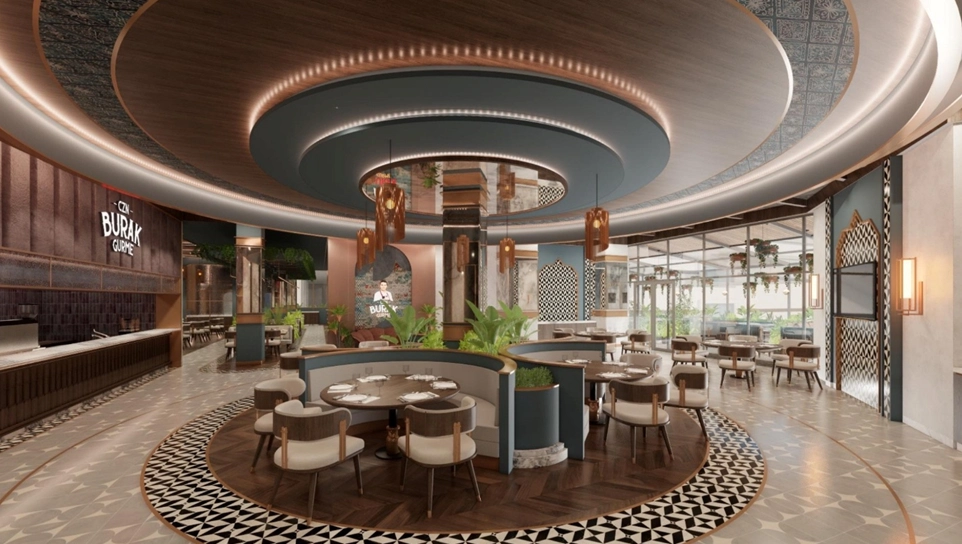
Customer behavior is strongly influenced by the environment around them. A comfortable and inviting restaurant encourages guests to relax, order more, and spend additional time within the space.
Elements such as seating layouts, lighting temperature, table spacing, and ambience contribute to the overall dining experience.
For example, a fine dining restaurant may use sophisticated materials and intimate lighting to create exclusivity, while a casual café may focus on flexible seating and a social atmosphere.
Through F&B interior design in UAE, designers understand how to balance aesthetics with customer movement and comfort. The same principles apply globally — creating spaces where guests feel connected to the environment and the brand.
A restaurant interior should communicate the brand before a customer reads the menu. Strong design creates an emotional connection and makes the space memorable.
Colours, textures, furniture, artwork, and architectural details work together to express the personality of the restaurant.
Whether it is a luxury dining concept, a modern café, or a fast-casual brand, the design should reflect the target audience and experience.
A leading restaurant interior design company Dubai focuses on creating spaces where every element supports the brand story. This approach helps restaurants stand out in crowded markets and creates opportunities for organic marketing through social sharing.
An instantly recognizable space becomes a powerful extension of the brand.
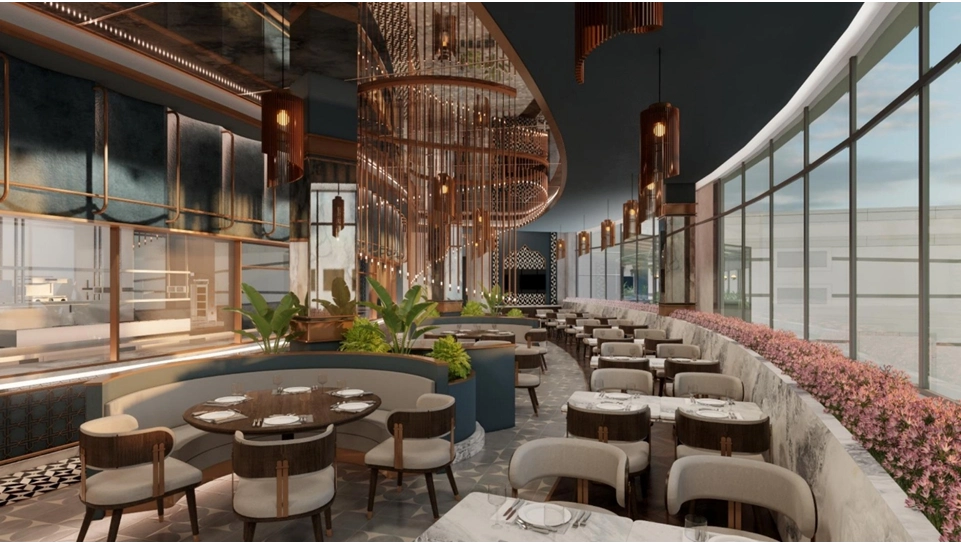
Behind every successful restaurant is a layout designed for efficiency. While customers experience the ambience, the operational side of design determines how smoothly the business runs.
A well-planned restaurant layout considers:
Poor planning can lead to congestion, delays, and uncomfortable experiences. Effective design creates a balance between maximizing seating and maintaining guest comfort.
Professional designers understand that every square meter contributes to business performance. Strategic planning helps restaurants improve table turnover while ensuring customers enjoy their experience.
This is a key focus in commercial interior design Dubai, where hospitality spaces must combine luxury, functionality, and operational excellence.
Choosing the right design partner is critical for restaurant success. A strong interior design company should understand both creativity and business requirements.
Important factors to consider include:
Look for designers with experience creating restaurants, cafés, and F&B environments.
A successful designer considers how people interact with spaces.
Design must translate into practical execution through detailed planning and coordination.
The final space should represent the restaurant’s identity and market positioning. For brands looking beyond borders, working with teams experienced in international hospitality projects provides valuable insight into global design standards.
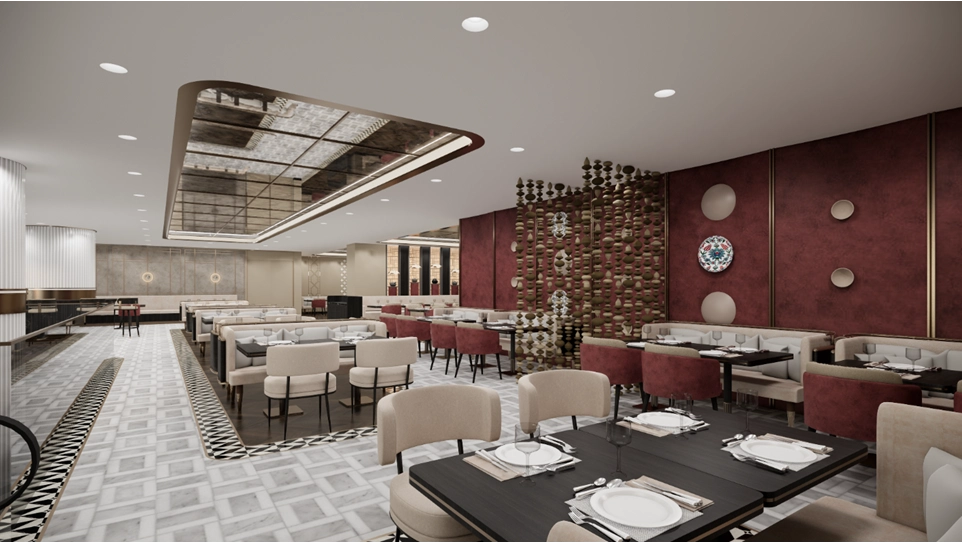
At RAW Design, we believe every F&B space should create an experience that customers remember.
Our approach combines creativity, functionality, and storytelling to develop restaurants and hospitality environments that are designed for impact. We focus on understanding the brand vision, customer profile, and operational requirements before creating a design direction.
With expertise in F&B interior design in UAE, our team creates spaces that balance visual appeal with commercial performance.
From concept development and spatial planning to execution, we ensure every detail contributes to a cohesive and memorable experience.
Our goal is not just to design beautiful interiors — it is to create spaces that help businesses grow.
It influences customer experience, operational efficiency, brand perception, and revenue potential.
A well-designed space can encourage longer stays, improve customer comfort, and increase spending opportunities.
Successful hospitality design combines functionality, aesthetics, branding, and emotional connection.
Yes. Memorable spaces create stronger experiences, encouraging repeat visits and brand loyalty.
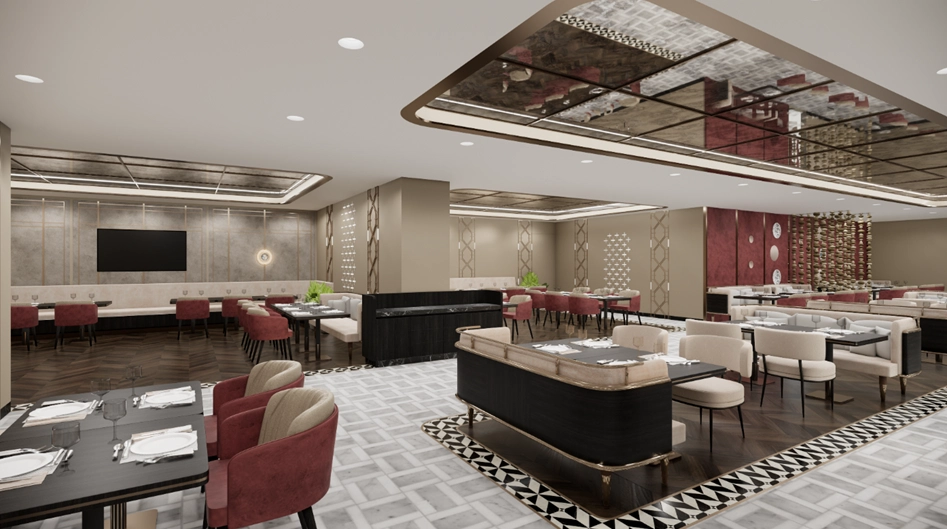
A successful restaurant project begins with a clear brief. Business owners should communicate their brand vision, target customers, operational needs, budget, and desired experience.
The best design outcomes come from collaboration between the owner and design team.
By choosing a partner who understands strategy, creativity, and execution, restaurant brands can create spaces that deliver measurable value.
At RAW Design, we create hospitality environments that go beyond appearance — spaces designed to attract customers, enhance experiences, and support long-term business success.


© All rights reserved Rawdesign.
Designed and developed by Tequila.ae


