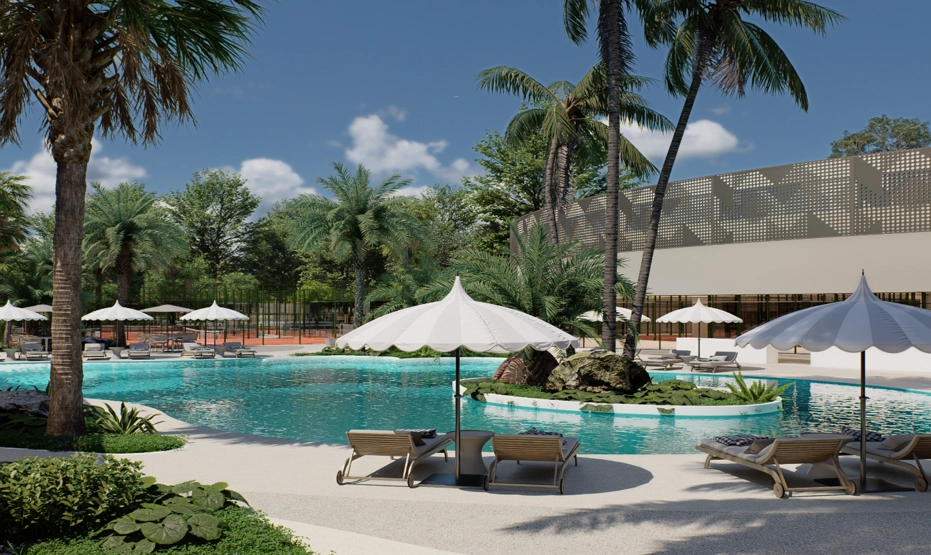
Homes around the world are becoming increasingly connected by design. A material discovered in a Singapore apartment can influence a home in New York, while hospitality-inspired ideas from Dubai can find their way into residences across entirely different markets. Yet the most interesting homes are not simply following the same trends—they are interpreting global influences through local lifestyles.
This year, interior design ideas for international markets are moving towards warmth, individuality, craftsmanship and spaces that respond more intuitively to how people live. From the USA to Singapore and Dubai, homeowners are looking beyond purely decorative trends to create interiors that feel personal, comfortable and relevant.
Design inspiration now travels almost instantly. Social media, international travel, global design fairs and digital publications have exposed homeowners to ideas from across the world.
At the same time, people are increasingly living internationally. A homeowner in Singapore may have studied in the USA and worked in Dubai, while an American family may bring influences from years spent overseas into their new home.
This is making cross-cultural interior design increasingly relevant. Instead of homes being defined by one particular regional style, interiors are becoming layered expressions of different experiences, cultures and influences.
Several global interior design trends are appearing across markets, although they are interpreted differently depending on location.
In the USA, warm minimalism continues to influence residential spaces. Natural timber, tactile fabrics, earthy tones and sculptural furniture are replacing colder interpretations of minimalism. Flexible living spaces, wellness areas and stronger connections between indoor and outdoor environments are also becoming increasingly important.
Current Singapore design trends respond to different spatial and climatic conditions. Intelligent storage, multifunctional furniture, biophilic elements and natural materials are particularly relevant for urban residences where space needs to work harder.
Across both markets, homeowners are moving towards interiors that feel collected and personal rather than overly coordinated.
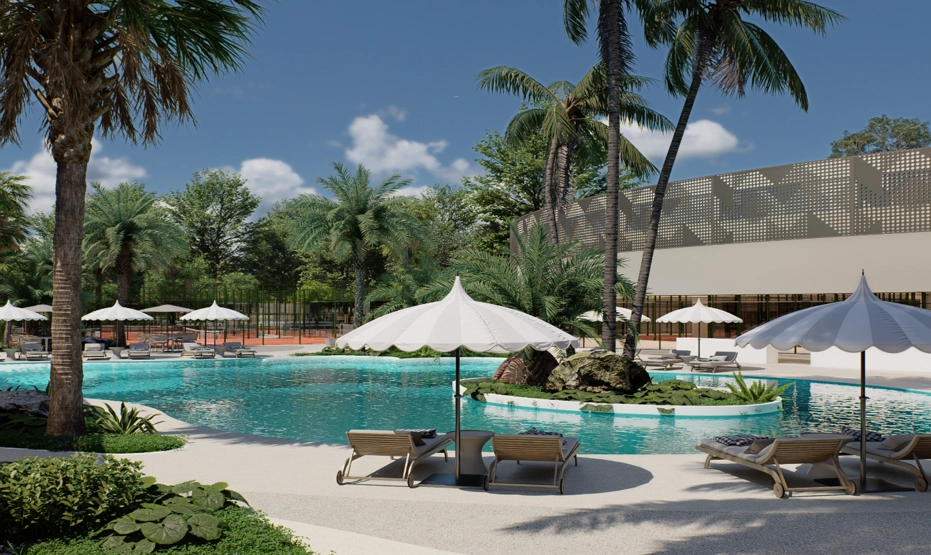
Neutral interiors are evolving. Instead of stark whites and cool greys, homeowners are exploring warmer shades such as sand, clay, caramel, olive, chocolate and muted terracotta.
However, international colour palette trends are rarely identical across countries.
In tropical markets such as Singapore, lighter natural palettes can help spaces feel fresh and open, while greens and botanical tones reinforce the connection with nature. In many American homes, richer earthy shades and deeper accent colours are being introduced to create warmth.
Texture is equally important. Travertine, timber, textured plaster, linen, brushed metals and natural stone are bringing greater depth to contemporary interiors.
Following a trend is easy. Understanding whether it belongs in a particular home requires a more considered approach.
RAW Design looks at international influences through the context of the homeowner, location and architecture. Climate, available space, natural light, lifestyle and cultural preferences all influence how a global idea should be interpreted.
A design element that works beautifully in a Dubai villa may need to be reconsidered for a compact Singapore residence or a suburban American home.
The objective is not to replicate an international aesthetic but to make it relevant to its new setting.
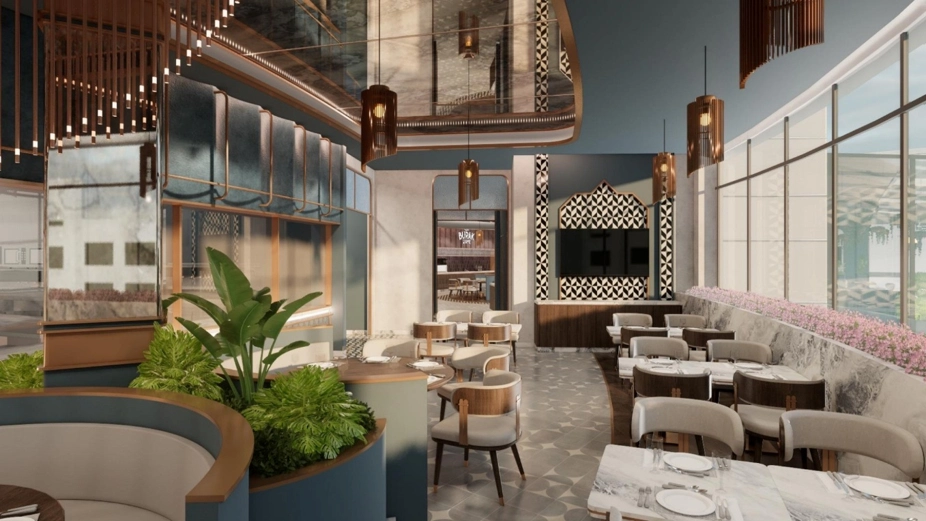
Furniture is becoming increasingly expressive. One of the strongest global furniture trends is the move towards sculptural pieces that can become focal points without overwhelming a room.
Curved sofas, oversized lounge chairs, monolithic tables and handcrafted furniture are adding personality to contemporary spaces.
There is also growing interest in mixing rather than matching. Vintage pieces can sit alongside contemporary furniture, while handmade objects and locally sourced art can add individuality.
Lighting has also become more sculptural, with statement pendants and decorative fixtures increasingly treated as functional artworks.
Successful international design is ultimately about balance.
A globally influenced home should still feel connected to where it is located. Climate can determine material choices. Cultural habits can influence kitchens, dining spaces and privacy requirements. Architecture can dictate proportions and circulation.
This is where cross-cultural interior design becomes particularly valuable. Global design standards can provide inspiration and quality benchmarks, while local sensibilities give a home authenticity.
The result is a space that feels internationally sophisticated without becoming disconnected from its surroundings.
With experience designing across different sectors and international markets, RAW Design approaches residential interiors with a global perspective while keeping each project highly personal.
Rather than applying a predefined style, the process begins by understanding how the homeowner lives and what they want their home to express.
International references can then be translated through space planning, materials, furniture, lighting and detailing to create a residence that feels both contemporary and individual.
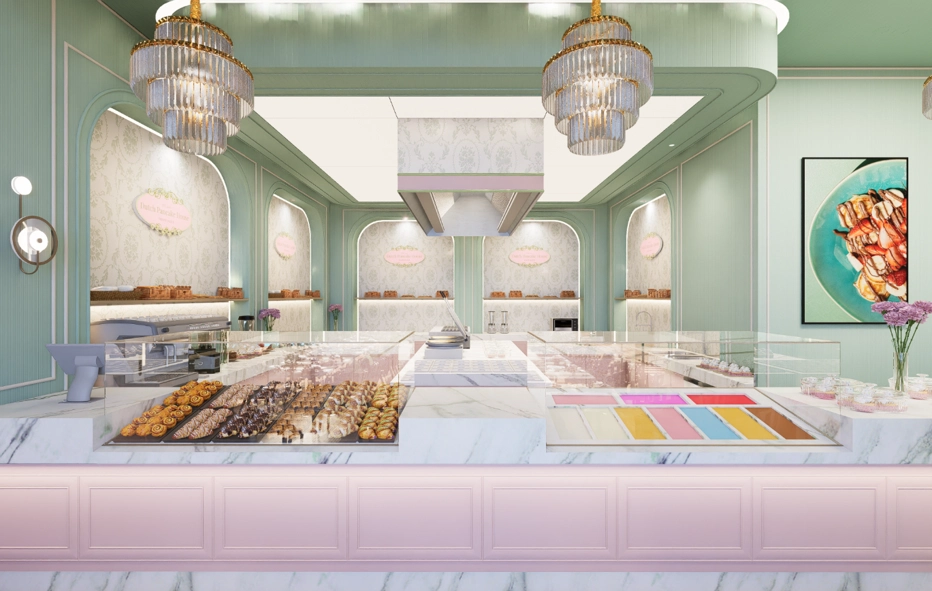
Warm minimalism, natural materials, sculptural furniture, layered textures, biophilic design and personalised interiors are among the strongest global influences. Homes are becoming warmer, more tactile and less focused on following a single aesthetic.
Popular Singapore design trends include intelligent space planning, multifunctional furniture, integrated storage, natural materials, biophilic elements and lighter palettes suited to tropical environments.
Yes. Climate, architecture, culture and lifestyle can influence colour and material choices considerably. International trends are therefore most successful when adapted rather than copied directly.
RAW Design considers the homeowner, location, climate and architecture before translating global influences into the project. This allows international ideas to feel relevant to the local context.
Sculptural furniture, curved forms, handcrafted pieces, statement lighting, natural materials and combinations of vintage and contemporary elements are becoming increasingly popular.
The most exciting interior design ideas for international markets are not about making homes around the world look the same. They are about creating a richer pool of inspiration from which homeowners and designers can choose.
At RAW Design, global influences become a starting point rather than a formula. By combining international thinking with local context and individual lifestyles, a global design idea can become something far more meaningful: a home that could only belong to you.


© All rights reserved Rawdesign.
Designed and developed by Tequila.ae


